 English
 Indian
 العربية
 Español
 Deutsch
 Türkçe
 Русский
 Français (Afrique)

Beast of Reincarnation
Når folk snakker om utvikleren Game Freak i disse dager, tenker de fleste på Pokémon-serien. Studioet har tross alt stått bak Nintendos populære monstereventyr i over tre tiår, men til tross for et sterkt fokus på Pikachus velvære siden 1990-tallet, har det faktisk klart å produsere et par spin-offs gjennom årene. Det må innrømmes at titler som Pocket Card Jockey, «Tembo The Badass Elephant» og «Little Town Hero» kanskje ikke gir den gjennomsnittlige spilleren en nostalgisk gysning nedover ryggraden, men det er tydelig at Game Freak ønsker å gjøre mer enn bare å lage Pokémon-spill, og med sitt nye prosjekt med tittelen « Beast of Reincarnation kan de meget vel ha skapt en av studioets mest spennende titler på mange år.
I motsetning til tidligere titler er det tydelig at « Beast of Reincarnation retter seg mot et mer modent publikum, med fokus på action og en mørkere fortelling. Historien er bygget opp litt som en anime-serie, fylt med eksentriske karakterer, tvetydige motivasjoner og episke actionscener som stadig balanserer på grensen mellom fengende intriger og overdrevet klisjéaktighet. Det hele føles veldig «japansk», på godt og vondt, og hvis du liker spill med den slags atmosfære og stemning, bør dette passe deg perfekt.
Jeg skal ikke røpe for mye om selve historien, men den dreier seg om en ung kriger ved navn Emma som, takket være en form for mutasjon, kan absorbere essensen av visse monstre. Denne praktiske superkraften har imidlertid en ulempe, ettersom Emma ikke kan oppleve følelser på samme måte som alle andre (hun beskrives blant annet som «hjerteløs»), og det er i skyggen av dette hun må navigere seg gjennom utallige slagmarker og inngå nye allianser for å sette en stopper for en eldgammel og tilbakevendende forbannelse. Til syvende og sist vil ikke historien gå inn i historien som en udødelig klassiker, men jeg setter likevel pris på at den får ta seg god tid og står i sentrum blant de mange actionfylte spillsekvensene. Den fungerer som et sårt tiltrengt pusterom mellom å knuse roboter og andre fiender, og selv små interaksjoner mellom ulike karakterer bidrar til å skape en følelse av fellesskap og tilhørighet i en verden du hele tiden prøver å forstå.
Når det gjelder spillopplevelsen, føles « Beast of Reincarnation som en blanding av flere moderne actionspill, og mye av kritikken fra de første anmeldelsene har dreid seg om spillets mangel på en tydelig identitet. For min del er jeg ikke enig i denne kritikken, selv om jeg kan forstå hvor den kommer fra. Selv om smaksprofilen er kjent, klarer kombinasjonen av ingredienser likevel å skape noe som kan beskrives som «unikt», og så lenge resultatet er underholdende, er det vanskelig å klage for mye.
For eksempel byr det på en halvåpen spillverden der utforsking og action står i sentrum, og du kan ofte velge om du vil spille mer taktisk (med skjult bevegelse og sniking som utgangspunkt) eller være mer direkte i angrepene dine, der parering og knappekombinasjoner er nøkkelen til suksess. En ganske unik detalj er imidlertid at du alltid har følgesvennen din, Koo, ved din side – en hvit direwolf som lider av den samme lidelsen som Emma. Det er i samspillet mellom disse to at flere av spillets mer avanserte systemer kommer til syne. Ved å parere innkommende slag kan du fylle opp Koos angrepsmåler, og du kan utløse disse evnene når som helst for å få overtaket i kamp. Alt handler om å kunne spille defensivt samtidig som du bygger opp angrepskraften din, og i mange tilfeller (spesielt i kamper mot spillets bosser) er det lurt å velge en mer tilbakeholden taktikk fremfor å bare spamme angrep uten å tenke deg om.
Emmas evner kommer også godt med når det er på tide å utforske. Hun kan bruke håret sitt (tenk « Bayonetta-stil) til å skape plattformer og nå større høyder, og dette resulterer i en overraskende flytende opplevelse der du kan banke deg din egen vei gjennom de mange forskjellige nivåene. Jeg har allerede nevnt at Beast of Reincarnation tilbyr en «halvåpen» spillverden, og med dette mener jeg at du har relativt store nivåer å utforske i rekkefølge. Det er altså ikke en enorm, sømløs verden du kan bevege deg rundt i akkurat som du vil, men etter min mening er denne begrensningen faktisk noe positivt, ettersom de mindre seksjonene gir et tydeligere fokus på historien og en større følelse av fremdrift i selve utforskningen. I enorme verdener som i Assassin’s Creed eller The Legend of Zelda er det altfor lett å gå seg vill og føle seg overveldet av alt innholdet, men Game Freak har i stedet valgt å servere sitt verk i mindre porsjoner, noe som fungerer ganske bra for å holde interessen oppe. Likevel må jeg innrømme at variasjonen mellom de ulike miljøene kunne vært bedre.
Jeg bør også nevne at det er mange likheter i oppsettet med ulike «Soulslike»-titler, men samtidig hører ikke « Beast of Reincarnation egentlig hjemme i den sjangeren; det bør snarere beskrives som et actionfokusert rollespill. En stor forskjell fra Souls-spillene er for eksempel at du her kan velge vanskelighetsgrad helt fra starten av, og utfordringen i seg selv er ikke spesielt stor når du spiller i Normal-modus. Riktignok er det fortsatt utfordrende til tider, men det føles aldri som om spillet prøver å belære eller straffe spillere for å mislykkes, og generelt sett virker utviklerne mer opptatt av å gjøre fremgangen din enklere med meningsfulle utstyrsoppgraderinger og nye evner som forenkler livet på reisen din mot rulleteksten.
Når det gjelder presentasjonen, har Game Freak sine opp- og nedturer. Noen ganger ser grafikken slående og skarp ut, for så å virke utvasket og uskarp i neste øyeblikk. For eksempel kan teksturer blø litt i kantene, og lyseffekter kan få modellene til å se flate ut når man skifter fra mørkt til lyst. Såkalte «pop-ins» dukker også opp her og der, selv om jeg må understreke at jeg har spilt på en PlayStation 5 (basismodell), og det er mulig at disse problemene ikke er fullt så fremtredende på for eksempel Pro-versjonen eller på PC. Når det er sagt, er dette ikke noe som ødelegger opplevelsen i sin helhet, men det er klart at dette er en mer budsjettorientert storfilm sammenlignet med noen av bransjens giganter.
Til syvende og sist er « Beast of Reincarnation et spennende sideprosjekt fra en velprøvd utvikler, og jeg skal være ærlig og si at jeg har hatt overraskende mye glede av spillet. Dette er den typen spill det er vanskelig å legge fra seg når man først har begynt, og hvis ikke det i seg selv er en god anbefaling, vet jeg ikke hva som er det. Det kan kanskje virke som et litt sammensurium av ulike inspirasjonskilder, men kombinasjonen av japansk RPG-sjarm og intens action er en formel som gjør at du vil ha mer etter ti, tjue eller til og med tretti timer. Hovedpersonen er kanskje hjerteløs og ute av stand til å føle følelser, men « Beast of Reincarnation utstråler derimot lidenskap og engasjement, og selv om det er noen få tekniske feil her og der, er det lett å anbefale dette til alle som liker japanske action-RPG-er.
If you hate parrying, projectiles in Beast of Reincarnation are ridiculously overpowered if you focus on leveling them up
I've spent the last week playing Beast of Reincarnation and I've really enjoyed it, though I am not, admittedly, a huge lover of parry-centric action. And Beast of Reincarnation has loads of parrying. You can't not parry in Beast of Reincarnation, but there are ways to make the combat far less reliant on precise parries and dodges.
Protagonist Emma starts with a crossbow and when I realised this I wrote it off as a throwaway accoutrement that you can't really rely on, kinda like the rifles in Bloodborne, or the companion drone in Stellar Blade. But no. Focusing on the crossbow and the long bow—which you get about an hour into the game—is basically the game's easy mode, without resorting to the game's actual easy mode (which exists, by the way).
Because if you focus on upgrading projectiles they'll end up chewing through health bars at a stunning rate. While some bosses—especially those with two forms—will last longer than your ammo supply will, projectiles are a sure fire way to absolutely shred their health pool from a safe distance without taking too many close range risks in a game where two hits can kill.
Spoilers follow, but this is me against the first major boss in New Game +. The video isn't really meant to demonstrate how easy it is, but more to show what crossbow violence looks like when you invest in it. This boss has a second phase, but luckily I hadn't used a single one of my arrows yet.
(Yes, enemies can still close the distance on you if you're not careful. No, investing in projectiles will not completely eliminate the need for parrying and dodging.)
It's a lot of fun to float suspended in mid air, thanks to Emma's entanglement gauge, while raining down hell on the vast majority of enemies incapable of touching you. Arrows and bolts replenish at every checkpoint campsite, and since these are very, very common (perhaps too common) you can pretty much mainline projectiles from about a third into the game.
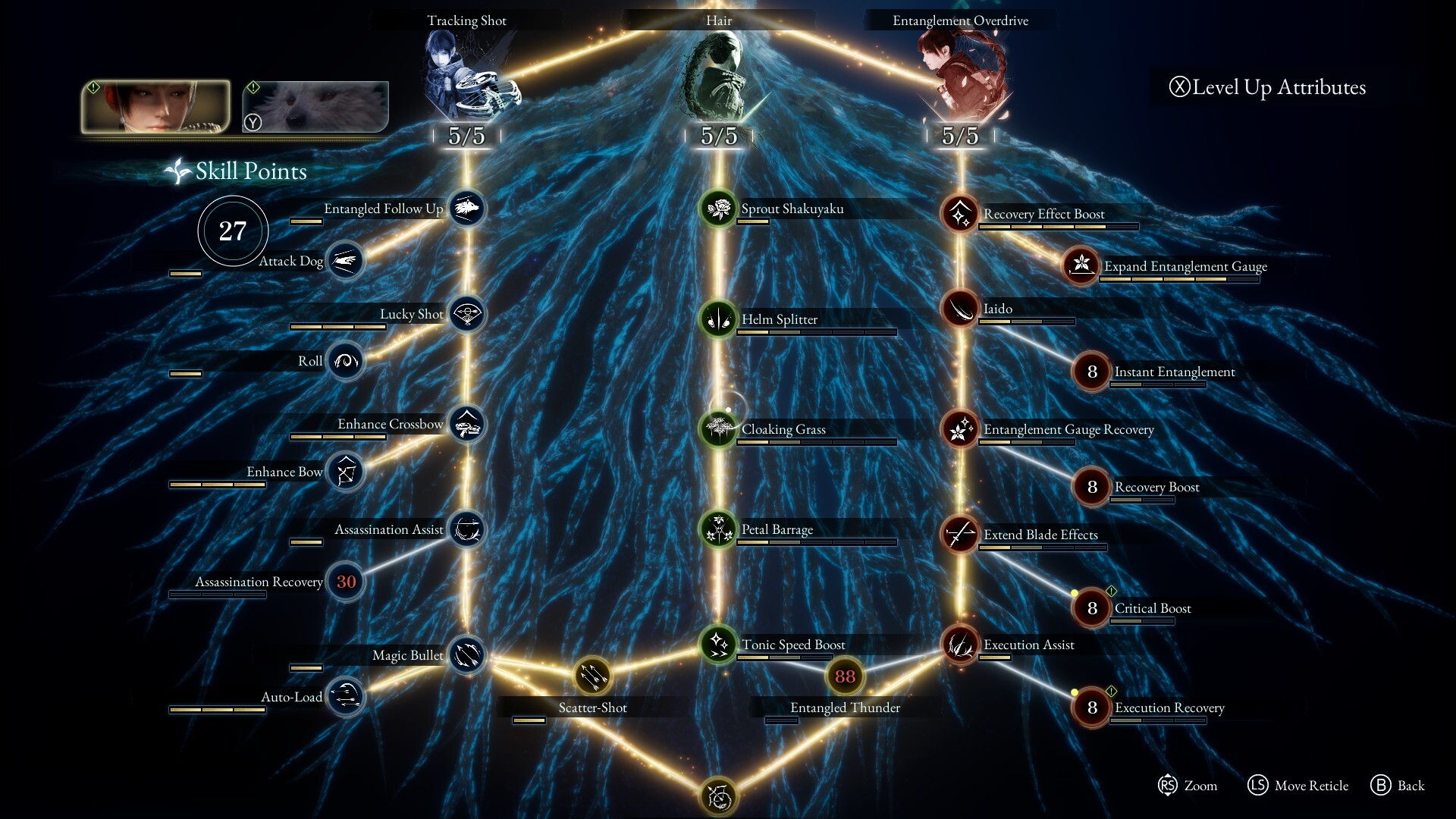
The best direction on Emma's skill tree to start with is the bottom left, where Tracking Shot is the first option. This, as you'd expect, makes your ranged arrows track enemies. Further on you can increase the chance of shots not consuming arrows or bolts by up to 15% percent, which dovetails nicely with a later skill that gives a 50% chance of replenishing up to 10% ammo for ranged weapons for every enemy killed.
Another skill, Magic Bullet, will have each tracking shot loop back around and hit an enemy again once its first made contact. Add to this Scatter-Shot, which splits every ranged projectile into three spreading shots, and you can probably imagine the potential for some intense audio-visual fire works here. Whenever I was popping off bolts the area felt like a News Years dancehall.
But for Scatter-Shot and the also awesome Entangled Shot—which makes every ranged attack "slightly" restore your world-pausing entanglement gauge—you'll also need to invest heavily in Emma's Hair skills as well. Overall, my focus on Emma's projectiles meant that I didn't invest a whole lot in the mutt Koo during my first playthrough, but there's always New Game + for that.
The skill tree isn't the only avenue to upgrade projectiles. At workbenches and campsites you can upgrade each ranged weapon to at least +11, in my experience, which takes in upgrades to reload speed and damage. Every individual arrow and bolt can be upgraded too. For example, I've upgraded acid arrows to +2, which increased its damage and the amount I have in my quiver. I put the vast majority of my amber into upgrading projectiles, which probably would have seemed silly to me in most other action games but not here.
Overall, I was surprised by how viable a projectile playthrough of Beast of Reincarnation is. Now, to focus on the dog...
Beast of Reincarnation
Als mensen tegenwoordig over ontwikkelaar Game Freak praten, denken de meeste mensen aan de Pokémon-serie. De studio is immers al meer dan dertig jaar verantwoordelijk voor Nintendo's populaire monsteravontuur, maar ondanks de sterke focus op Pikachu's welzijn sinds de jaren negentig, is het er in de loop der jaren in geslaagd een paar spin-offs uit te brengen. Toegegeven, titels als Pocket Card Jockey, Tembo The Badass Elephant en Little Town Hero zullen de gemiddelde persoon misschien geen rillingen van nostalgisch plezier bezorgen, maar het is duidelijk dat Game Freak meer wil doen dan alleen Pokémon-spellen maken, en met hun nieuwe project getiteld Beast of Reincarnation hebben ze misschien wel een van de meest opwindende titels van de studio in jaren gecreëerd.
In tegenstelling tot eerdere titels is het duidelijk dat Beast of Reincarnation gericht is op een volwassener publiek, met de focus op actie en een donkerder verhaal. Het verhaal is enigszins opgebouwd als een animeserie, vol eigenzinnige personages, dubbelzinnige motivaties en epische actiescènes die voortdurend balanceren tussen meeslepende intriges en overdreven cheesy. Het voelt allemaal erg "Japans" aan, ten goede of ten kwade, en als je van spellen houdt met zo'n sfeer en sfeer, dan zal dit je prima passen.
Ik zal niet te veel verklappen over het verhaal zelf, maar het draait om een jonge krijger genaamd Emma die, dankzij een vorm van mutatie, de essentie van bepaalde monsters kan absorberen. Deze handige superkracht heeft echter een nadeel, want Emma kan emoties niet op dezelfde manier ervaren als iedereen (ze wordt onder andere omschreven als "harteloos"), en in de schaduw hiervan moet ze talloze slagvelden doorkruisen en nieuwe allianties smeden om een einde te maken aan een oude en terugkerende vloek. Uiteindelijk zal het verhaal niet de geschiedenis ingaan als een onsterfelijke klassieker, maar ik waardeer het toch dat het de tijd mag nemen en centraal staat tussen de vele actievolle gameplay-sequenties. Het dient als broodnodige adempauze tussen het kapotslaan van robots en andere vieze, en zelfs kleine interacties tussen verschillende personages helpen om een gevoel van gemeenschap en verbondenheid te creëren in een wereld die je voortdurend probeert te begrijpen.
Qua gameplay voelt Beast of Reincarnation als een mengelmoes van verschillende moderne actietitels, en veel kritiek uit vroege recensies richt zich op het ontbreken van een duidelijke identiteit van het spel. Wat mij betreft ben ik het niet eens met deze kritiek, ook al begrijp ik wel waar die vandaan komt. Hoewel het smaakprofiel bekend is, weet de combinatie van ingrediënten toch iets te creëren dat als "uniek" kan worden omschreven, en zolang het resultaat vermakelijk is, is het moeilijk om te veel te klagen.
Zo biedt het een semi-open spelwereld waar verkenning en actie centraal staan, en je kunt vaak kiezen of je tactischer speelt (met stealth en sluipen als startpunt) of directer aanvalt, waarbij pareren en knopcombinaties de sleutel tot succes zijn. Een vrij uniek detail is echter dat je altijd je metgezel, Koo, aan je zijde hebt, namelijk een witte dire wolf die aan dezelfde kwaal lijdt als Emma. Het is in de interactie tussen deze twee dat verschillende van de meer geavanceerde systemen van het spel te vinden zijn. Door inkomende slagen te pareren, kun je Koo's aanvalsmeter vullen en je kunt deze vaardigheden op elk moment inzetten om de overhand te krijgen in gevechten. Het komt allemaal neer op het verdedigen kunnen spelen terwijl je toch je offensieve kracht opbouwt, en vaak (vooral in gevechten tegen de bazen van het spel) is het verstandig om te kiezen voor een meer ingetogen tactiek in plaats van simpelweg aanvallen te spammen zonder veel nadenken.
Emma's vaardigheden komen ook goed van pas als het tijd is om te verkennen. Ze kan haar haar (denk aan Bayonetta -stijl) gebruiken om platforms te creëren en grotere hoogten te bereiken, wat resulteert in een verrassend vloeiende ervaring waarbij je je eigen pad kunt banen door de vele verschillende niveaus. Ik heb al genoemd dat Beast of Reincarnation een "semi-open" spelwereld biedt, en daarmee bedoel ik dat je relatief grote levels hebt om achtereenvolgens te verkennen. Het is dus geen uitgestrekte, naadloze wereld die je kunt navigeren zoals je wilt, maar naar mijn mening is deze beperking eigenlijk positief, omdat de kleinere secties een strakkere focus op het verhaal en een groter gevoel van vaart in de verkenning zelf geven. In uitgestrekte werelden zoals Assassin's Creed of The Legend of Zelda is het maar al te makkelijk om te verdwalen en overweldigd te raken door alle content, maar Game Freak heeft ervoor gekozen om zijn creatie in kleinere porties te serveren, wat goed werkt om de interesse levend te houden. Toch had de variatie tussen de verschillende omgevingen beter gekund, moet ik toegeven.
Ik moet ook vermelden dat er veel overeenkomsten zijn in de opzet met verschillende "Soulslike"-titels, maar tegelijkertijd hoort Beast of Reincarnation eigenlijk niet echt in dat genre; Het zou eerder omschreven moeten worden als een actiegerichte role-playing game. Een groot verschil met de Souls-spellen is bijvoorbeeld dat je hier vanaf het begin je moeilijkheidsgraad kunt kiezen, en de uitdaging zelf is niet bijzonder hoog als je op Normaal speelt. Toegegeven, het is soms nog steeds uitdagend, maar het voelt nooit alsof het spel spelers probeert te berispen of te straffen voor falen, en over het algemeen lijken de ontwikkelaars er meer op gericht je voortgang makkelijker te maken met betekenisvolle uitrustingsupgrades en nieuwe vaardigheden die het leven op je weg naar de eindcredits vereenvoudigen.
Wat presentatie betreft, kent Game Freak zijn ups en downs. Soms zien de graphics er opvallend en scherp uit, om het volgende moment verbleekt en wazig te lijken. Zo kunnen texturen licht overlopen aan de randen, en lichteffecten kunnen modellen vlak laten lijken bij het wisselen van donker naar licht. Zogenaamde "pop-ins" komen hier en daar ook voor, al moet ik benadrukken dat ik op een PlayStation 5 (basismodel) speel en het is mogelijk dat deze problemen minder uitgesproken zijn op bijvoorbeeld de Pro-versie of op pc. Dat gezegd hebbende, dit is niet iets wat de ervaring als geheel verpest, maar het is duidelijk dat dit een meer budgetgerichte blockbuster is vergeleken met sommige giganten in de industrie.
Uiteindelijk biedt Beast of Reincarnation een spannend nevenproject van een beproefde ontwikkelaar, en ik zal eerlijk zijn en zeggen dat ik verrassend veel van mijn tijd met het spel heb genoten. Dit is het soort spel dat moeilijk weg te leggen is zodra je eenmaal bent begonnen, en als dat op zich geen goede aanbeveling is, weet ik het ook niet. Het kan misschien overkomen als een lappendeken van verschillende inspiratiebronnen, maar de combinatie van Japanse RPG-charme en intense actie is een formule die je na tien, twintig of zelfs dertig uur naar meer laat verlangen. Het hoofdpersonage is misschien harteloos en niet in staat emoties te voelen, maar Beast of Reincarnation straalt passie en toewijding uit daartegen, en hoewel er hier en daar een paar technische haperingen zijn, is het makkelijk om dit aan te bevelen aan iedereen die van Japanse actie-RPG's houdt.
Hidden Gems of Game Design Vol 50
Plenty of amazing games go unnoticed and not widely played, for various reasons. Maybe it’s a diamond in the rough, or the marketing wasn’t there, or it could be a game ahead of its time. This month, we've reached a major milestone in this iconic SUPEJUMP feature: our 50th Volume, a half-century of Hidden Gems!
For this special issue, I gave the writers an additional challenge – pick a game from your childhood that you never heard anyone else talk about.
Josh Bycer
Addams Family Values (1995)
As a gamer and a kid of the 90s, it was my “pleasure” to play wave after wave of licensed games, based on a seemingly inexhaustible supply of IP. While I could talk about some of the most traumatically bad ones, for my pick, I’m going with one that I’ve never heard people talk about.
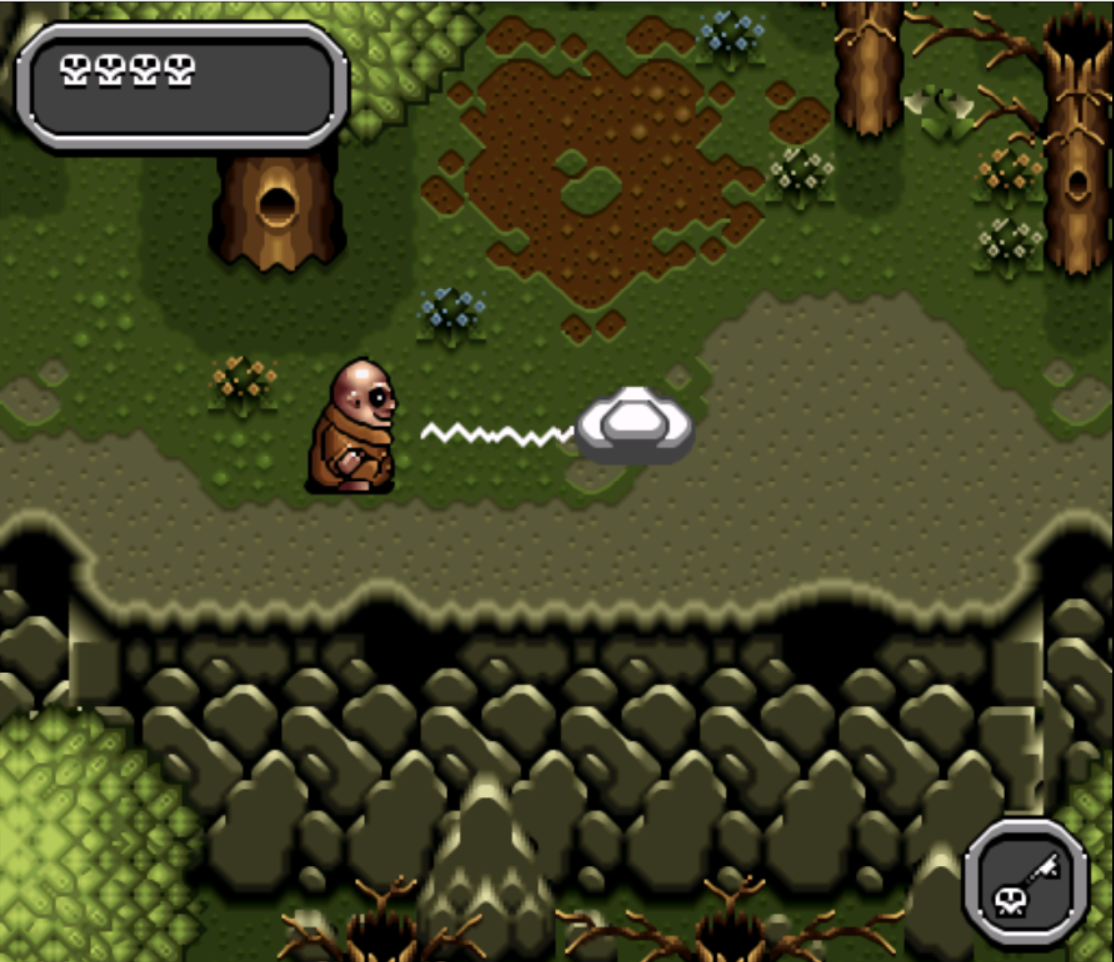
The Addams Family had a resurgence in the 90s thanks to the two films and animated series, and with it came multiple games from different teams. There was the obnoxiously difficult Fester’s Quest, four different platformers, and the final game we would see from everyone’s favorite weird family: a Zelda-like.
Very, and I do mean, very loosely based on the film, the youngest and newest Addams has been kidnapped and is being held in a giant mansion estate. The estate was complete with multiple areas and a variety of monsters, ghosts, and other creatures to stand guard.
The only Addams who is up to the job is Fester, who must explore the entire estate, grow in power and save the day. Fester’s main attack is lightning, launched from his hands, to zap any baddies that get in his way. The game tries to be like Zelda in that the more health you have, the stronger your attacks are. However, while Zelda typically gives you a boost at max HP, this game does it for several health thresholds. At full health, you have max range, and every few hits decreases it. When you are about to die, and when you need your attacks to be strong, the range is instead shortened, forcing you to stand directly next to an enemy to hit them.
The other option Fester gets is finding cookies that act as potions; each one does something different, and a few are used for puzzle-solving and fighting. I remember the first real boss goes down by eating invulnerability cookies and tanking every hit. What’s challenging is that Fester can only attack in the cardinal directions, and at one fixed angle, so you can end up where enemies are approaching you at an angle but you can't hit them in that direction.
Normally, this is when I talk about how amazing the game is, but unfortunately, I don’t remember much. I have never beaten the game for two reasons: First, this is a very open world, but you have to complete areas in a specific order to unlock the items and upgrades needed to progress. There are a lot of paths hidden behind the scenery, some that take you to a completely different area that you would otherwise have no idea how to access.
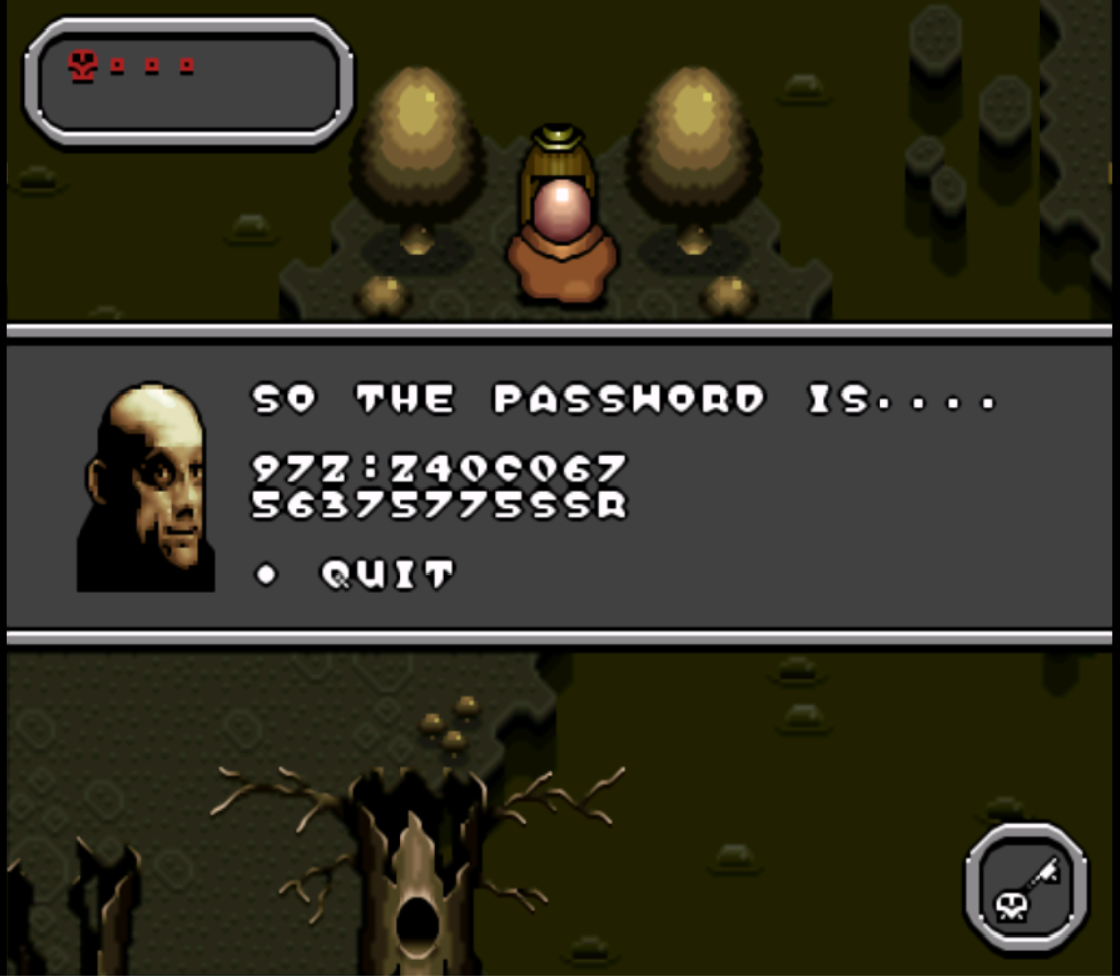
Second, and far worse, the game has no battery saves. The mid-90s was a time when internal save capability (via a battery in the cartridge) was considered a luxury, and many studios opted for passwords instead.
To make things even harder, you need to find one of the Addams family in the world each time you want a password. They move around as the game progresses, and no, their positions are not saved on the map. This is the second-worst password system in a game I’ve played, with the first going to another game that may be my pick for next month. Heaven help you if you don’t write the code down properly, or have horrible handwriting like me, and lose your entire progress.
This one can be a bit hard to return to in the modern era, but Zelda fans searching for a challenging take on their genre may want to give this one a look.
Ben Rowan
Wipeout 3: Special Edition (2000)
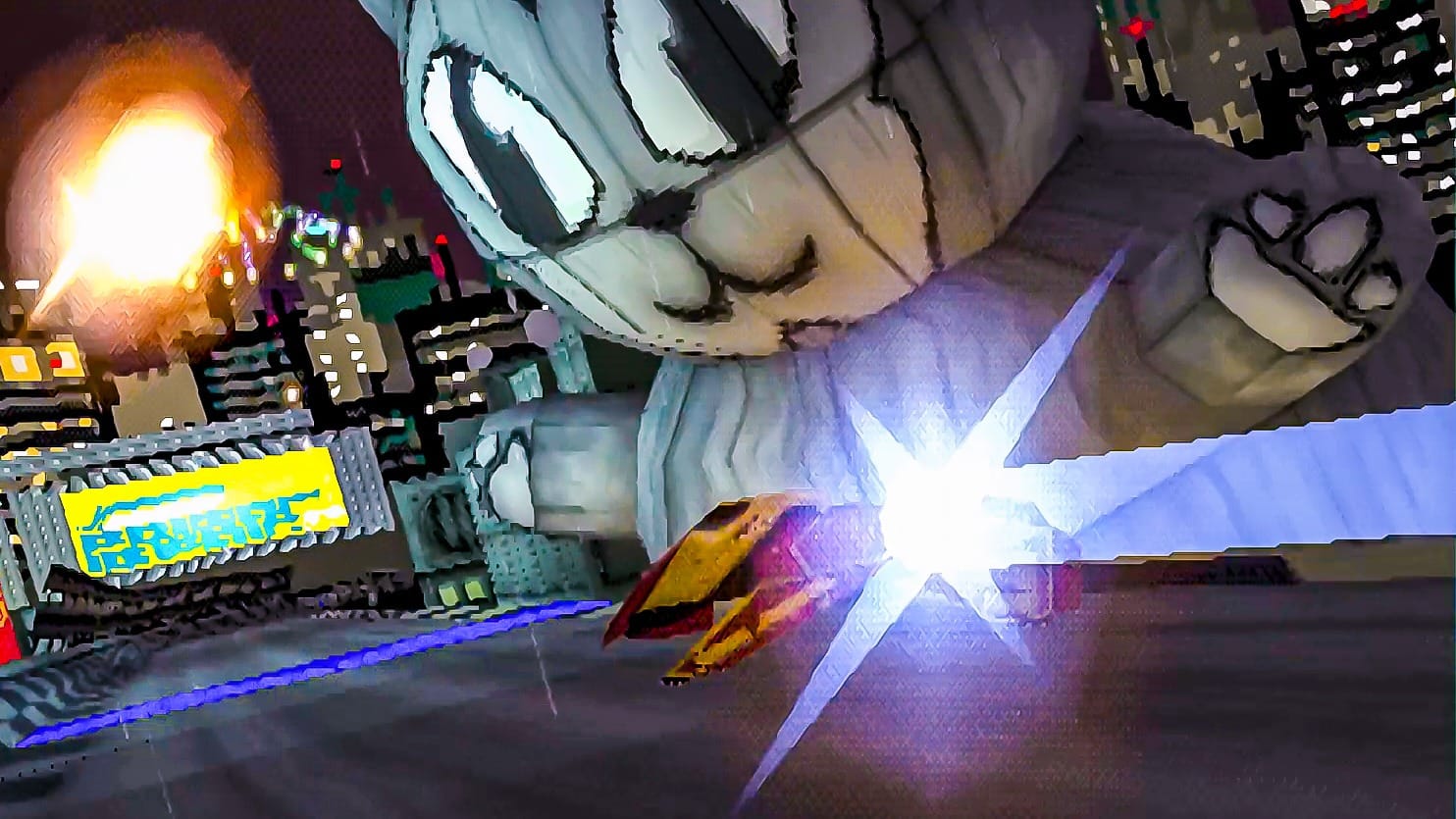
While the late 90s and early 2000s were a golden age for the original PlayStation, many exceptional games went unnoticed due to poor marketing, being ahead of their time, or simply remaining as diamonds in the rough. In 2000, during a trip to Malaysia, I stumbled upon a copy of Wipeout 3: Special Edition while stocking up at one of Kuala Lumpur’s ubiquitous gaming malls. Unbeknownst to me at the time, I had acquired a PAL-exclusive holy grail of anti-gravity racing, a content-stuffed swan song to Psygnosis’ legendary original trilogy. So, for this 50th issue of Hidden Gems, I'm looking back at a masterpiece that fits all the criteria of a cult classic and isn’t widely discussed today outside the AG racing community. Wipeout 3: Special Edition was overlooked, unnoticed, and undoubtedly brilliant, and it holds a very special place in my heart.
The Special Edition of Wipeout 3 is an absolute triumph of value. Alongside the eight tracks from the base Wipeout 3, it bundles eight fully remastered tracks from the original Wipeout and Wipeout 2097. This 16-track compilation represents the definitive museum of the series' 32-bit era. What makes this release even more extraordinary is the raw technical wizardry underpinning it. Leading up to its late-1999 launch, developer Psygnosis pushed the ageing PlayStation hardware to its absolute limits by completely rewriting their rendering engine from scratch. The visual fidelity was staggering for the time: running at the console's highest resolution (512x384), it delivered a locked 25fps frame rate with virtually no slowdown, all while effortlessly handling dynamic engine-trail lighting and vibrant particle effects.
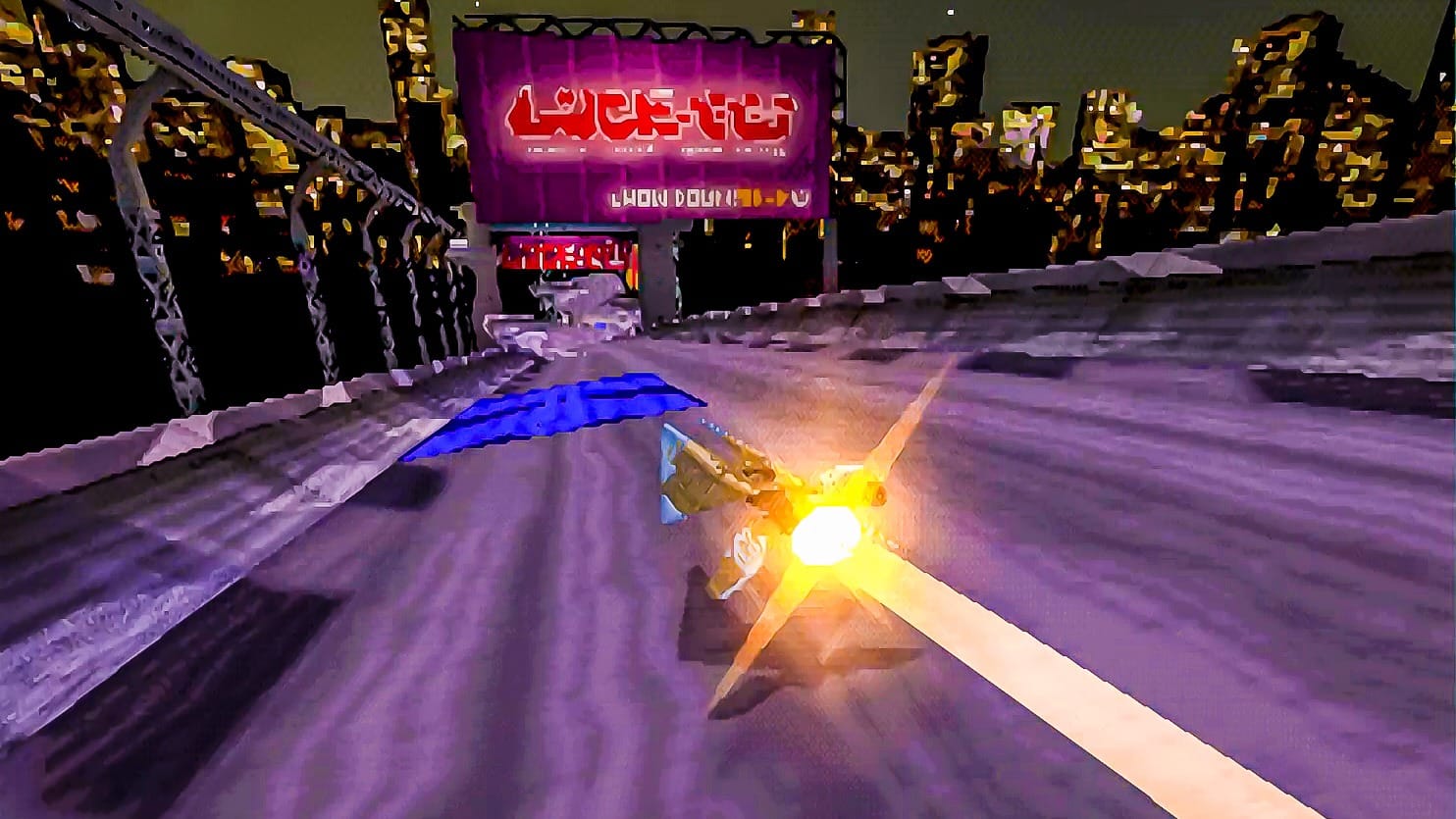
Gameplay-wise, the game’s tactical complexity was elevated by the introduction of the Hyper Thrust mechanic, where the R1 button triggered a manual speed boost at the direct expense of your defensive shields. This created a constant risk-reward dynamic: burning your shields for a speed boost forced you to grasp desperately at every defensive power-up and totally avoid hitting walls, rendering the pit lane vital to survival on every lap. Hitting the Hyper Thrust off jumps also allowed you to launch your craft into ambitious shortcuts, utilising the Autopilot mid-flight as the perfect trick to assist in a safe landing.
This tactical depth was bolstered by an expanded arsenal of weaponry. Defensive choices like the Cloak, Reflector, and Force Wall allowed players to manage aggressive opponents. They were balanced by iconic crowd-pleasers like lock-on Missiles, heavy Rockets, and the ‘Quake’, which deformed the course itself, rippling forward a track-wide tsunami that tore through any opposing ships unlucky enough to be ahead of you. These new weapons were best mastered in the new Eliminator mode, a deathmatch-style arena that proved essential for surviving the blistering speeds of the unlockable Phantom class.
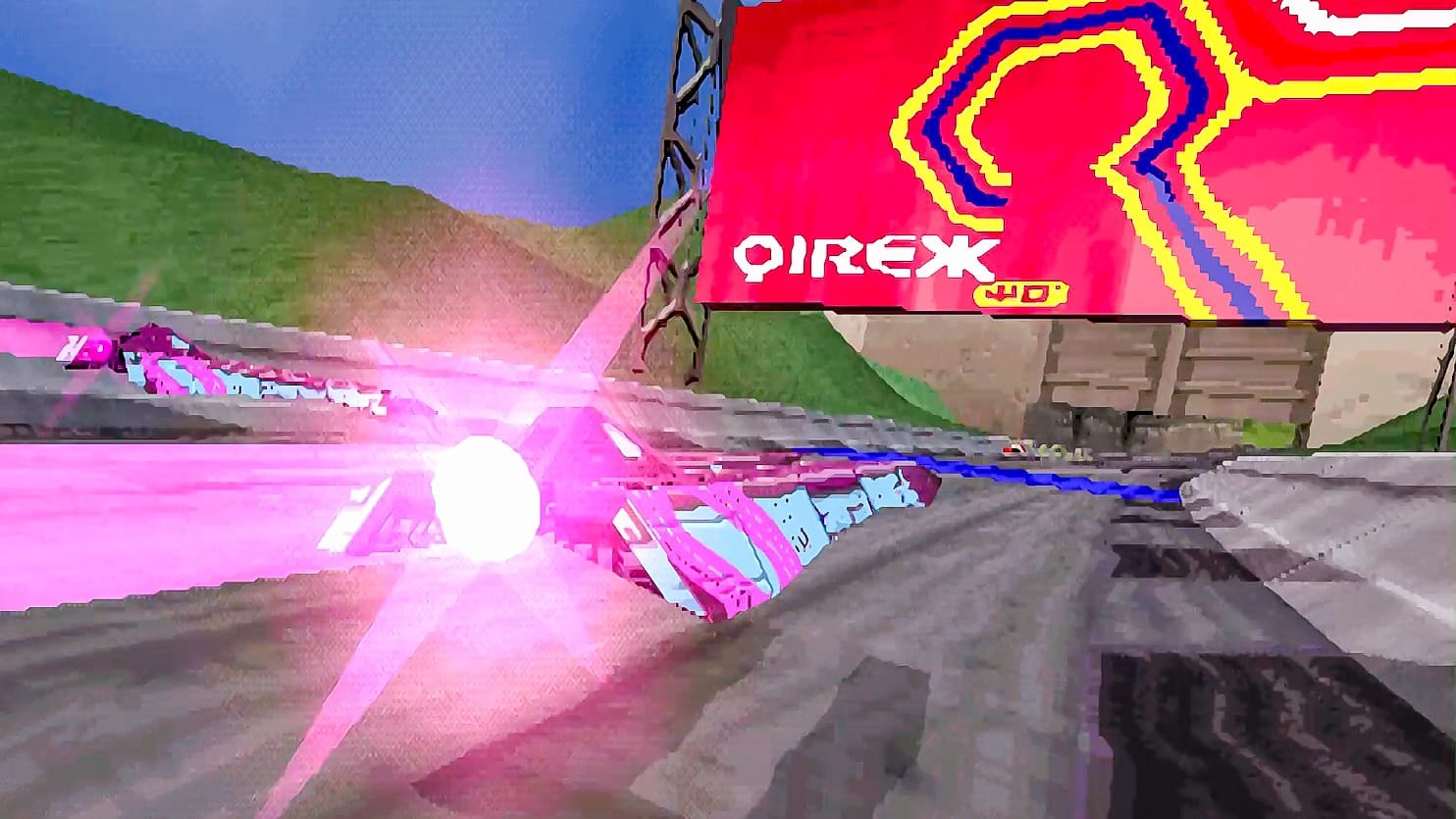
Despite its brilliance, Wipeout 3 underperformed commercially compared to its predecessors. Arriving at the absolute end of the PS1 lifecycle, it was heavily overshadowed by the massive hype surrounding the upcoming PlayStation 2. Its steep learning curve and perceived lack of novel features among casual players also stymied sales. The game's bold visual identity, crafted by the rehired design collective The Designers Republic, swapped the bright, neon club aesthetic of 2097 for clinical, hyper-clean minimalism. While aiming for a grounded, "believable future" rather than over-the-top sci-fi, this more industrial look was initially perceived by gamers as cold and sterile, contributing to the depressed sales.
Yet, over a quarter-century later, history has vindicated Psygnosis' artistic gamble. The game was a critical darling at release, securing an impressive 89/100 on Metacritic, and it has aged remarkably well. The Designers Republic's clean typography, distinct geometric menus, and clinical user interfaces don't look as dated as other 3D games of the 90s, cementing its place as a high-water mark for video game graphic design. Combined with a legendary progressive house soundtrack mixed by Welsh DJ Sasha (featuring heavy hitters like Paul Van Dyk and The Chemical Brothers), Wipeout 3: Special Edition remains a sleek, timeless, and shamefully overlooked masterpiece, and undoubtedly a ‘hidden gem’ of the early PlayStation era.
Ben Rowan
DoDonPachi (1998)
Back in 2000, I was lucky enough to spend a school holiday in Kuala Lumpur visiting a mate whose expat parents lived there. He gave me a crucial piece of advice before departing: bring my PlayStation along. The bustling mega-malls of Malaysia turned out to be a goldmine for Japanese import gaming, full of air-conditioned markets overflowing with obscure titles. I picked up a haul of games, including CAVE’s 1998 vertical shooter DoDonPachi, which I bought purely because the back cover art looked awesome.
Safe to say, it blew my mind. Released in an era when mainstream gaming was obsessed with 3D cinematic blockbusters like Metal Gear Solid and Resident Evil 2, traditional sprite-based arcade shooters were routinely ignored by Western retailers. DoDonPachi never received an official Western release, locking this seminal entry in the "bullet hell" genre behind expensive import channels. As a result, outside of dedicated shmup circles, it is rarely celebrated, and barely gets a nod in any "greatest PS1 games" roundup.
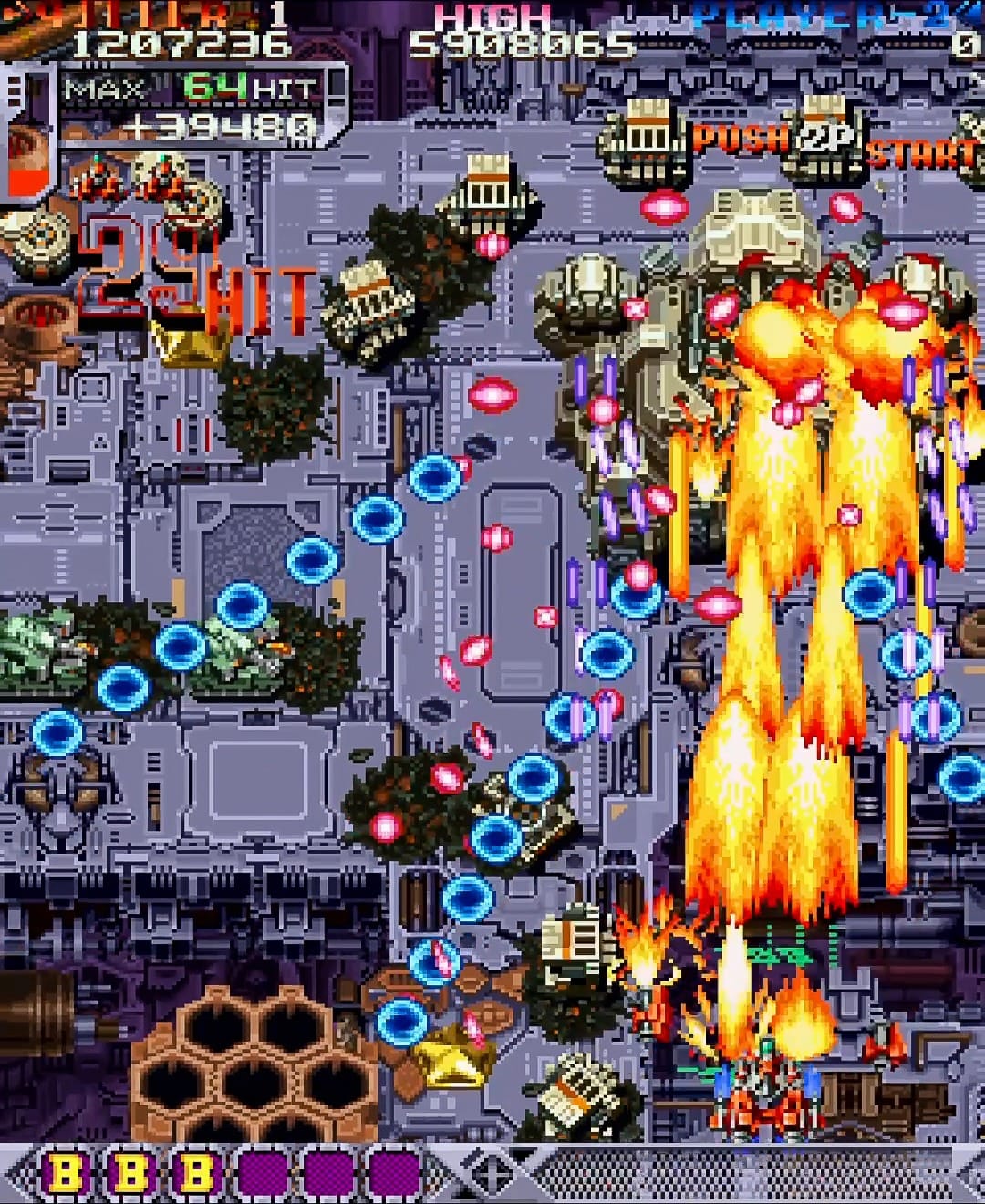
What made DoDonPachi on the PS1 so exceptional was the brilliant duality of its brutal difficulty and surprising accessibility. The port included a godsend ‘slow-motion’ feature mapped to the L1 button, allowing you to dial down the speed and focus on weaving through the dense, swirling webs of enemy fire. It was a great way to learn the tactical aspect of bullet dodging without getting penalised. Coupled with free play options and unlimited continues, you could play through the entire game and see the initial final boss on your very first sitting.
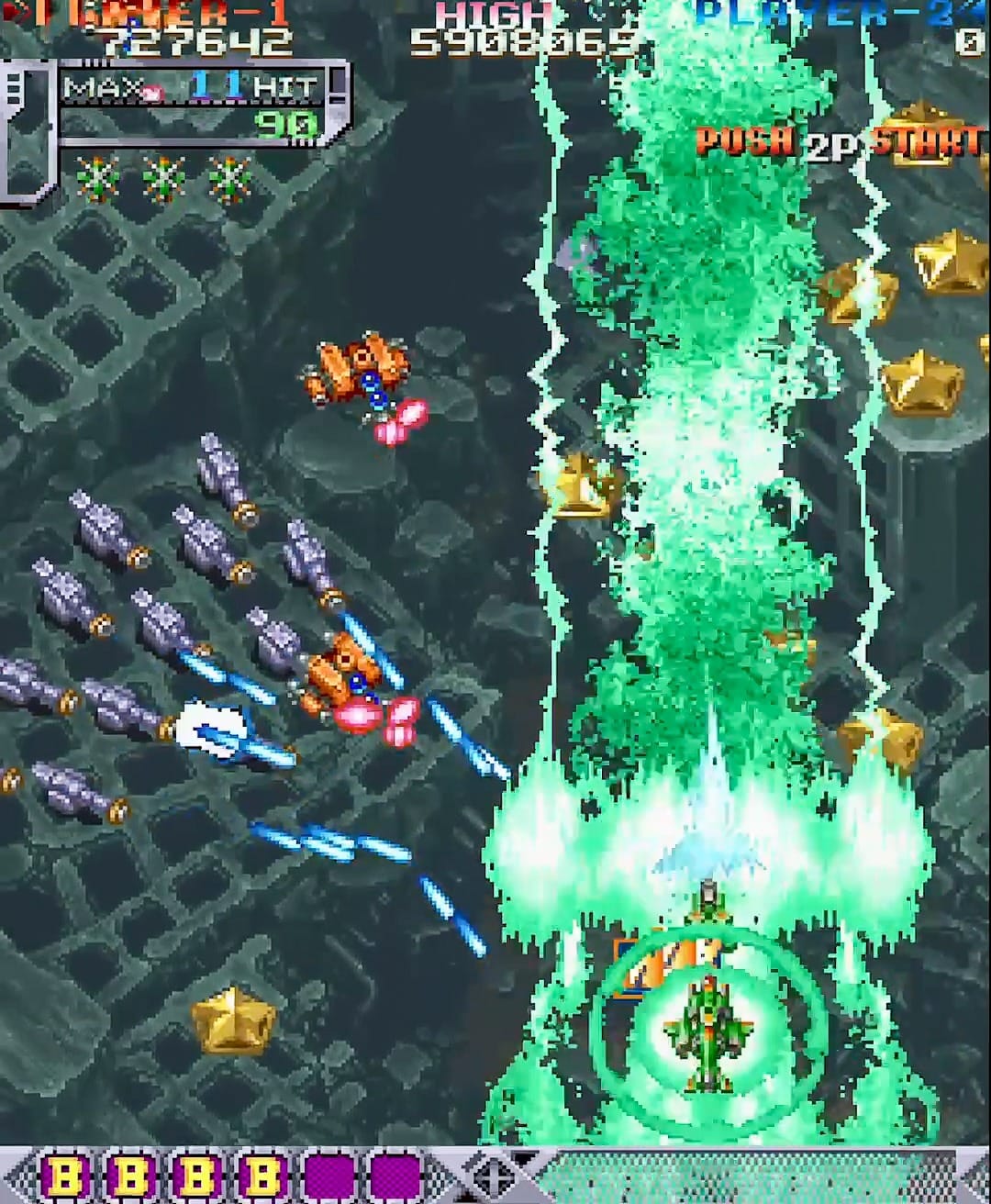
However, CAVE built a genius hook into its scoring system: the second you used even one continue, your score was reset to zero, permanently barring access to the grueling "second loop" and the true final boss of the game. This design choice created an irresistible psychological pull. Every fresh run began with an optimistic ambition that “this was it” - the run where you’d finally make it through unscathed. When you’d inevitably die at the hands of the game’s brutal difficulty, continuing allowed you to treat the rest of the session as a risk-free practice run; it was a win-win, especially for us casuals just along for the ride.
Visually, DoDonPachi remains a 32-bit pixel art masterpiece. With its screen-filling enemy swarms, massive explosions, and towering mechanical bosses, it often feels like Metal Slug converted into a vertical shoot-'em-up, and screenshots simply don't do justice to its frantic action. The only hurdle is its native 3:4 arcade aspect ratio. Playing in standard "Yoko" mode squishes the game on each vertical side into a lower, blocky resolution, while "Tate" mode renders it full-screen albeit at a 90-degree tilt. Back in the day, the purist solution was simple: physically turn your boxy CRT television on its side! It was the only way I'd play it. But sadly, having to flip the TV over every time eventually stopped me from playing it more regularly.
Though I never managed to reach the brutal ‘second loop’ to witness the true ending myself, DoDonPachi became a solid go-to game when friends came over. If I wanted to blow their minds with something they'd never seen, it was simple: hold up, just rotating the TV sideways like a true arcade purist. Masterfully balanced, visually arresting, and mechanically forward-thinking, it stands as a classic of the genre and an unmistakable 32-bit hidden gem.
Terence A
Carmageddon (1997)
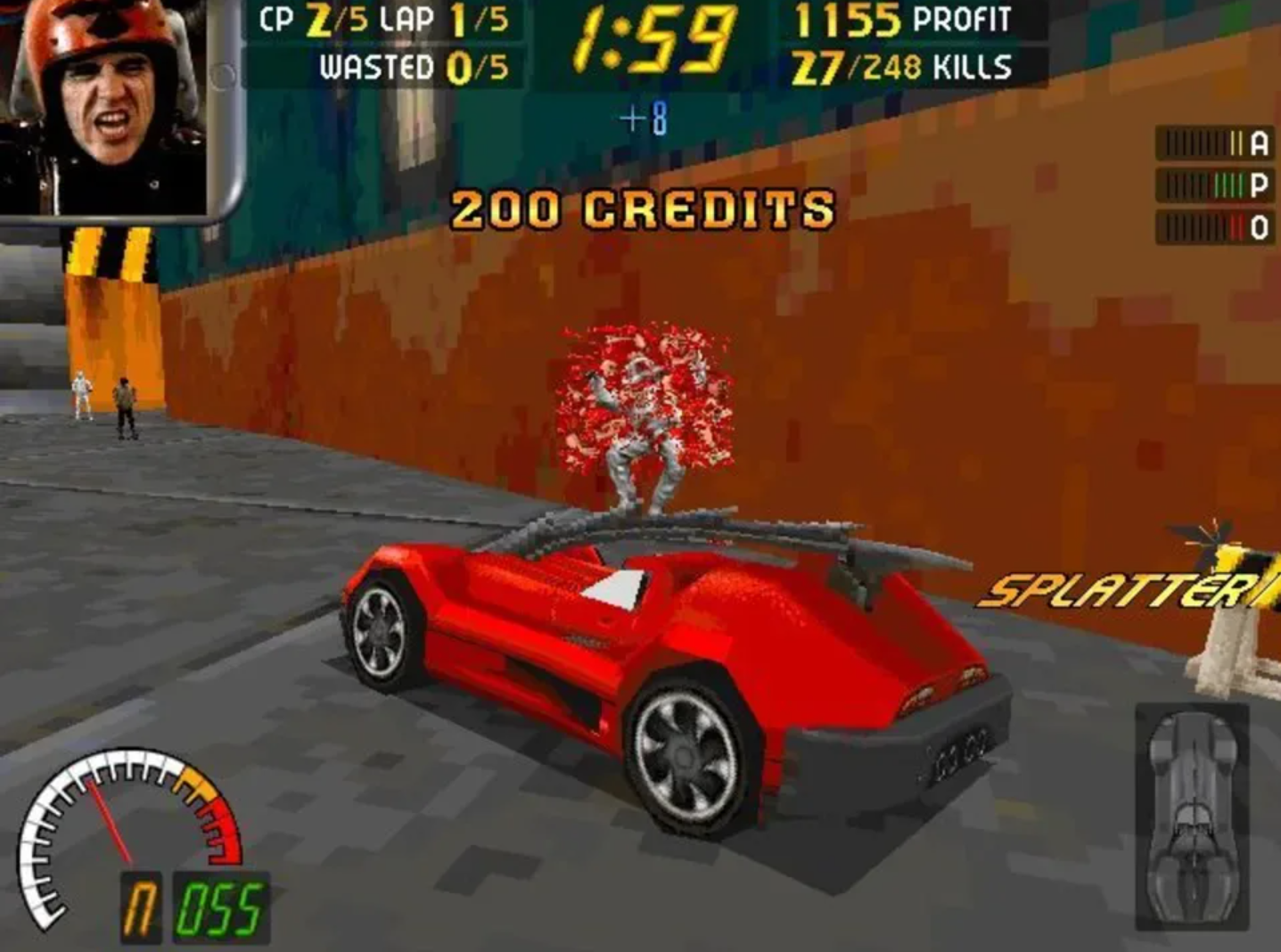
Good games inspire rivals. Great ones leave claw marks outside genres they helped define. If Doom’s menacing corridors and bullet-eating demons had a racing game compatriot, it was Carmageddon. Developer Stainless Games lost the rights to the movie Death Race 2000, which it planned to spawn in alongside the 90s barrage of licensed games, but it built the pedestrian-mowing cherry-red race car anyway.
Carmageddon’s now-iconic vehicle took on races across tracks inspired by the usual ranges in urban density and climate, from deserts to cities and industrial zones. It had no narrative, leaving players to craft their setpieces. Cars handled corners like a semi-truck, trimming the scenery as much as it did opponents. A timer ticked down, pitting you against racers to pass checkpoints. It could be topped up by crushing pedestrians, breaking barrels, or plowing into cars.
Unlike what you’d expect from a racing game, this one didn’t track your position. This nudged many players, me included, toward free-roaming into graphic violence. Sickos could even finish missions by eliminating all rivals or worse, every pedestrian on the map. Its well-designed playing areas encouraged exploration, even if the game’s structures and obstacles felt like cardboard set dressing.
Those concerns leave the mind as the shrieks and guts of your victims punctuate the air. A pre-recorded avatar onscreen constantly reacted with the playful excitement of a puppy to flipped cars and poorly-taken corners. A score system kept note as you went from circuit to circuit, letting players upgrade car stats and unlock new ones with a severed hand cursor between levels. Carmageddon, being generous with its blood and body count, led to publisher Sales Curve Interactive facing police raids and its CEO receiving threats of jail time, before an appeal ensured its launch. Controversy aside, the game’s a running riot that’s well worth an afternoon.
CJ Wilson
Disney’s Chicken Little (2005)
When you are playing video games as a kid, you might play some titles that just happened to be there when you owned a video game console. Back when I was younger, I distinctly remembered playing Chicken Little on the PlayStation 2 in the basement of my childhood home. I never learned how we got the game, but I feel like we got it from a garage sale, where my dad initially got the PS2.
What’s crazy is that while I enjoyed playing Chicken Little, I have never seen the movie that the game is based on. Actually, I saw bits and pieces of the film once as a kid on a small video player with an attached screen (I feel old just writing that last sentence). Thankfully, the game uses clips from the movie to tell the story along with in-game cutscenes.
The brief synopsis: Chicken Little is an anthropomorphic chicken who feels isolated and treated poorly by his classmates; suddenly he finds evidence of aliens planning to take over the town of Oakey Oats after a polygonal shape from the sky lands on his head.
The game was developed by Avalanche Software, who would go on to make other beloved Disney games like the cherished Toy Story 3 with its in-depth sandbox mode and the short-lived toys-to-life series Disney Infinity. The studio was acquired by Disney back in 2005 through its Buena Vista Games division (later renamed Disney Interactive Studios) to make various tie-in animated Disney games like Meet the Robinsons and Bolt. The studio unfortunately shut down on May 10th, 2016, due to slowed interest in the toys-to-life genre and increased development costs. Thankfully, Avalanche was reformed by Warner Bros. Games, where the developers made one of the most celebrated licensed video games in recent memory, Hogwarts Legacy.
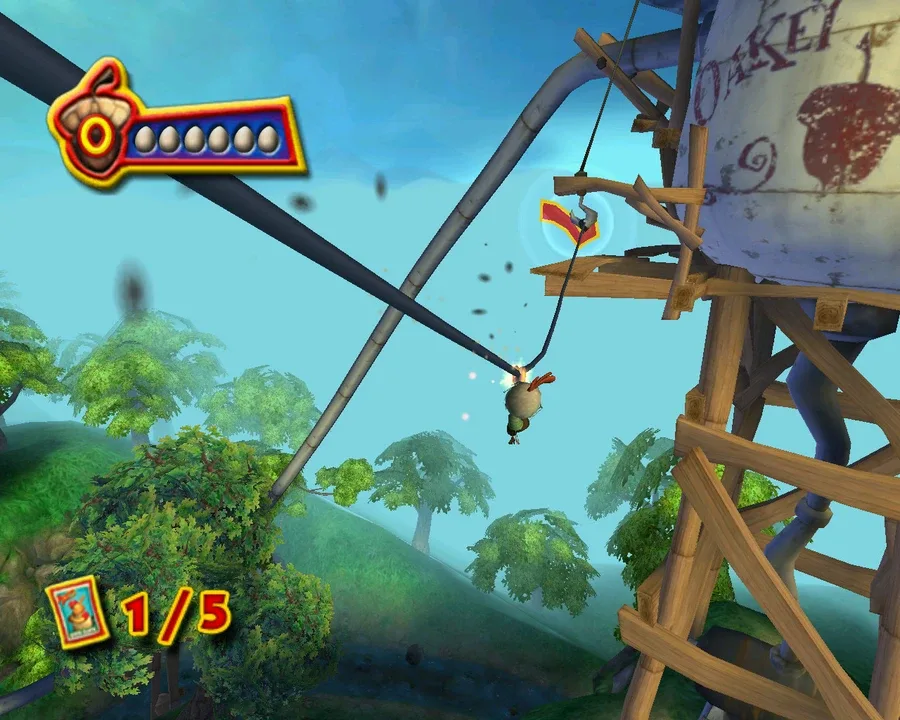
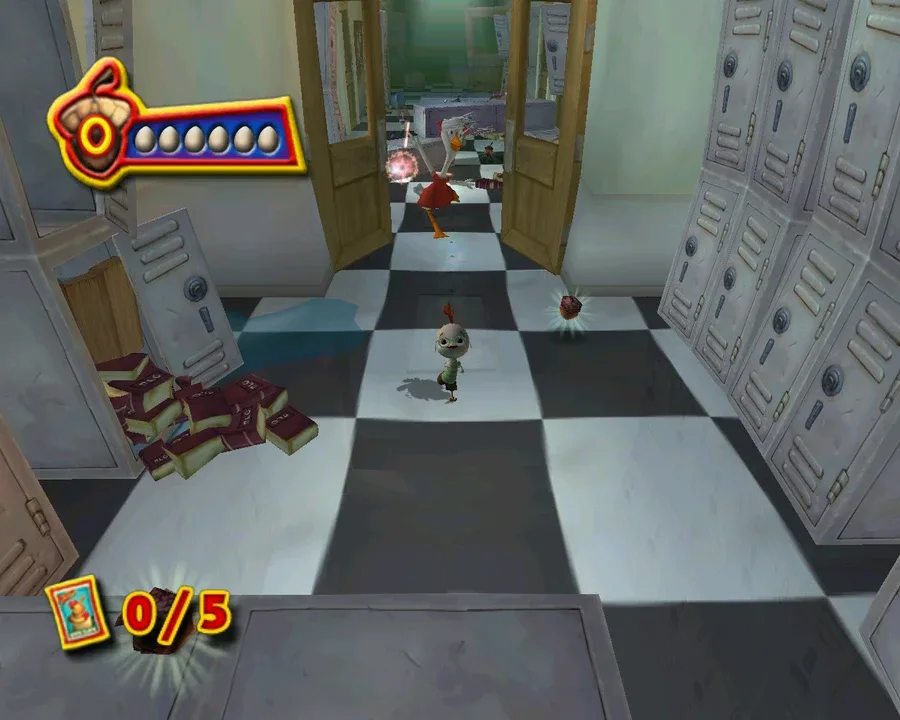
Chicken Little plays like your typical 3D platformer of its era. You can move around, double jump onto various obstacles, and use your handy yo-yo to defeat enemies. As the levels progress, there are new upgrades to earn, like a grapple shot for the yo-yo to reach new areas from a distance. The game moves along at a lively pace, and in some levels, you play as some of the other characters from the movie. One level has you playing as Chicken’s friend Abby, who can’t attack but can flap along to travel tremendous distances while also controlling a mechanical robot that moves with its flailing metal tentacles and shoots lasers.
There’s plenty of variety in the game that can satisfy any child (like me back then). One moment, you’re building momentum in a timed rhythm sequence to score a home run at the major little league game, then suddenly there’s a driving sequence where you’re making deliveries around town like it was built as a kid-friendly version of Crazy Taxi. Most of the levels also have collectible baseball cards that unlock special minigames in the multiplayer mode.
Even just playing through Chicken Little again on the back-compat Xbox version brought me some affectionate nostalgia that I haven’t felt from a game in a long time. While you can sail through in about four hours like most licensed games, it’s simply a blast that’s enjoyable for the whole family. I could easily see it as someone’s first action-adventure platformer and a stepping stone to other games of its ilk, like the 3D Super Mario Bros series from Nintendo.